

The Legacy of Black Midwifery

The Heartbeat of the Community
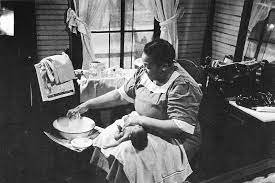
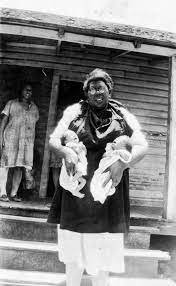
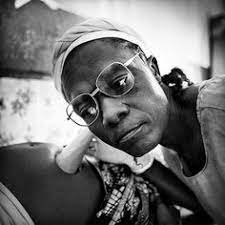
Before the widespread medicalization of childbirth, black midwives were not just caregivers but also pillars of strength and support in their communities. Their roles extended beyond the birthing room; they were trusted advisors, nurturers, and advocates for women’s health. In times when access to formal medical care was limited for African American families, especially in the rural South, these midwives provided essential, culturally sensitive care. They were revered figures, passing down invaluable knowledge and practices from one generation to the next, ensuring the well-being of mothers and babies with unwavering dedication and love.
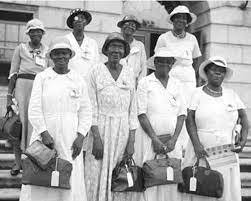
The history of black midwifery in the United States is deeply interwoven with the narrative of slavery. During these times, enslaved women often took on the role of midwives, not only out of necessity but also due to their profound knowledge and skills in childbirth. These women served as primary caregivers during labor and delivery, utilizing herbal remedies and techniques passed down through generations. Their expertise was crucial, not just for the health of their own community but often for the children of their enslavers as well. This era laid the foundation for a legacy of resilience and skill in black midwifery that has endured through the centuries.
As America moved into the eras of Reconstruction, Jim Crow, and the Civil Rights Movement, the practice of midwifery among Black communities continued to evolve. During Reconstruction, black midwives began to gain recognition, albeit limited, for their crucial role in maternal and infant health. However, the Jim Crow era brought new challenges, including segregation and limited access to healthcare resources, which further entrenched the importance of midwives in Black communities. They not only provided medical care but also stood as advocates and educators for women's health rights. The Civil Rights Movement brought about a significant shift, with increased advocacy for equitable healthcare. This period saw black midwives actively participating in the fight for civil rights, using their voices to champion the need for better healthcare services and recognition of their invaluable work.
Cultural Significance
-
Black midwives, often referred to as "Granny midwives," have played a crucial role in preserving and passing down traditional birthing practices and knowledge. These practices often include holistic approaches to childbirth, utilizing herbal remedies, hands-on techniques, and ancestral wisdom. In many African American communities, these midwives were the primary caregivers for pregnant women, providing culturally relevant care deeply rooted in understanding and empathy.
-
Spirituality and a strong sense of community are integral to the practices of black midwives. Their approach to childbirth often encompasses not just the physical aspects of delivering a baby but also the emotional and spiritual well-being of the mother. These midwives traditionally functioned as community pillars, offering support that transcended the birthing process, nurturing the overall health and cohesion of their communities.
-
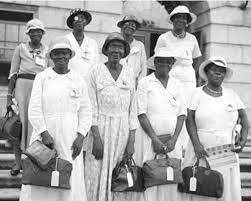
As healthcare became more institutionalized, black midwives faced significant challenges, particularly from the early 20th century onwards. The medical field, largely dominated by white professionals, often discredited and devalued the contributions of black midwives. The introduction of new laws and medical standards further marginalized their practice, effectively pushing many out of their traditional roles. This transition was marked by a push to replace black granny midwives with white nurses, leading to a loss of generational knowledge and a shift in birthing practices.
-
Despite these challenges, black midwives demonstrated remarkable resilience. They continued to advocate for their right to practice and to serve their communities, often amid socioeconomic hardships and racial discrimination. Their persistence helped preserve important aspects of maternal healthcare and laid the groundwork for future generations of black midwives.
-
Today, the landscape of black midwifery is evolving. While still facing challenges, including underrepresentation and lack of access to resources, black midwives have made significant strides. Current statistics, though limited, indicate a growing presence of black professionals in the field of midwifery, with more black women seeking to become certified midwives.
-
Contemporary black midwives are finding innovative ways to blend traditional practices with modern medical knowledge. This approach respects and honors ancestral wisdom while ensuring safe, evidence-based care. These midwives are not only advocates for individual families but also play a critical role in addressing health disparities and advocating for systemic change in maternal healthcare.